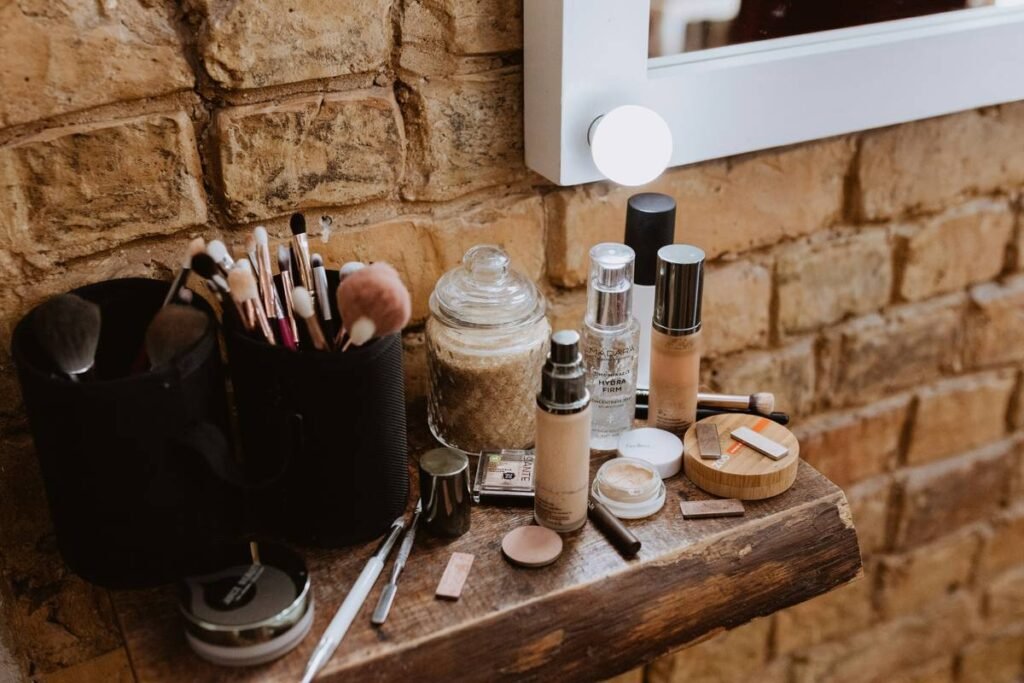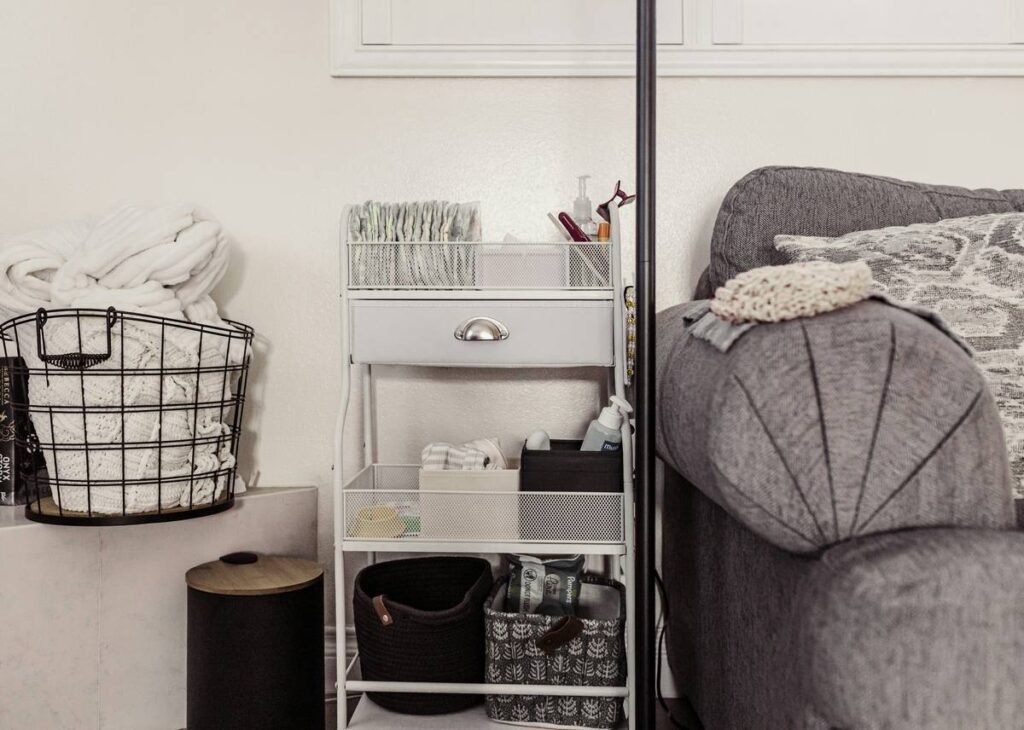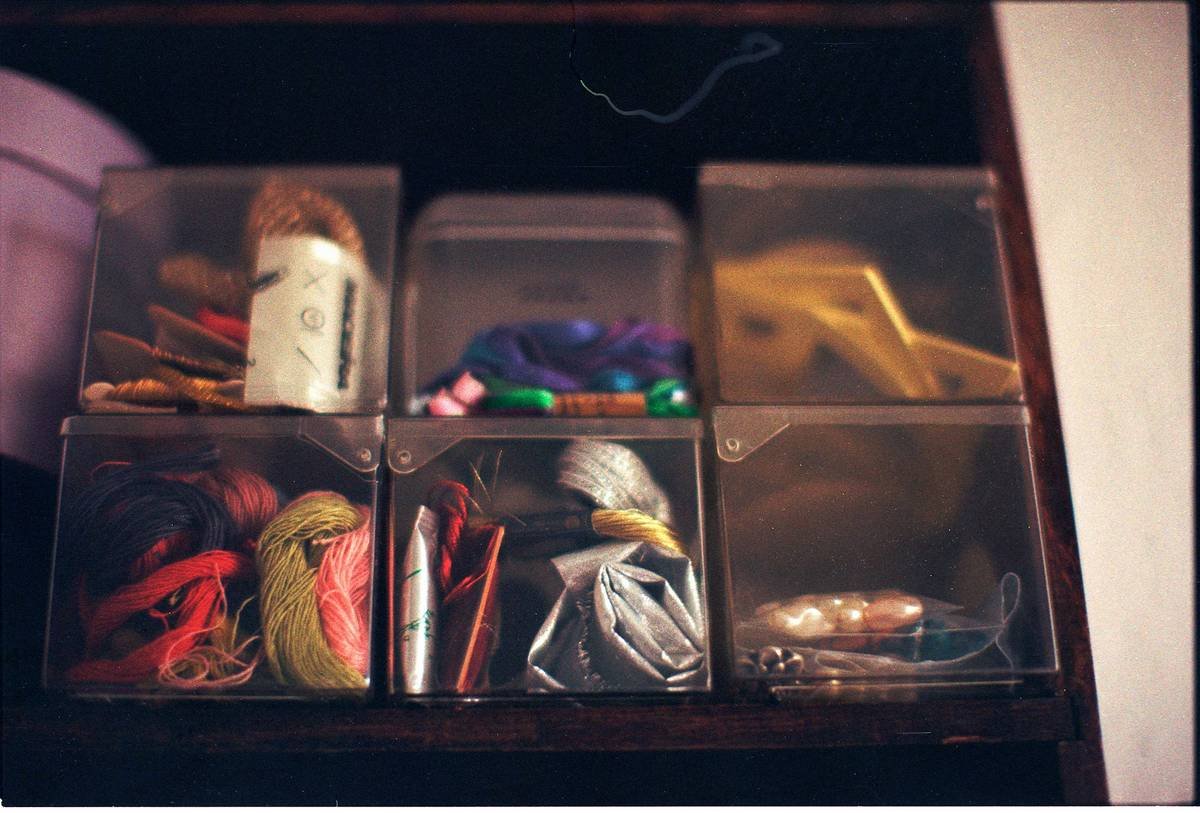
Ever spent 12 minutes hunting for your favorite matte liquid lipstick… only to find it buried under three broken brushes, a half-empty setting spray, and that sample you swore you’d try “tomorrow”? Yeah. We’ve all been there. In fact, a 2023 consumer habits survey by Statista revealed that 68% of makeup users waste at least 5–10 minutes daily searching for products—adding up to over 60 hours a year lost to drawer chaos.
If your vanity looks like a Sephora exploded mid-aisle, this post is your rescue mission. We’re diving deep into the world of cosmetic organizers—not just any plastic trays from the dollar store, but thoughtfully designed, functional, and aesthetically pleasing solutions that transform clutter into calm. You’ll learn how to choose the right material, size, and layout; why acrylic isn’t always the answer; real-life setups that actually work; and one “organizer” trend we wish would vanish forever (looking at you, spinning lazy Susans with zero stability).
Table of Contents
- Why Do Cosmetic Organizers Actually Matter?
- How to Choose the Right Cosmetic Organizer for Your Routine
- 5 Best Practices for Organizing Like a Pro (Not a Pinterest Fail)
- Real-Life Setups That Worked—And One That Didn’t
- Frequently Asked Questions About Cosmetic Organizers
Key Takeaways
- A well-chosen cosmetic organizer saves time, reduces product waste, and extends makeup shelf life.
- Material matters: Acrylic scratches easily; bamboo is eco-friendly but not waterproof; metal can corrode with humidity.
- Modularity beats rigid designs—your collection evolves, so should your storage.
- Drawer dividers > countertop carousels for long-term usability and hygiene.
- Avoid “one-size-fits-all” claims—your routine dictates your organizer, not the other way around.
Why Do Cosmetic Organizers Actually Matter?
It’s easy to dismiss a cosmetic organizer as just another vanity accessory—until you spill foundation on your white blouse because you knocked over an unsecured bottle reaching for concealer. Or worse: you toss a $42 cream blush because you forgot it existed until it grew a fuzzy colony of mold.
Beyond aesthetics, proper organization impacts product integrity. According to dermatologist Dr. Hadley King (quoted in Allure, 2022), “Storing makeup in humid, cluttered environments accelerates bacterial growth, especially in creamy or water-based formulas.” Open drawers near sinks? That’s a petri dish waiting to happen.
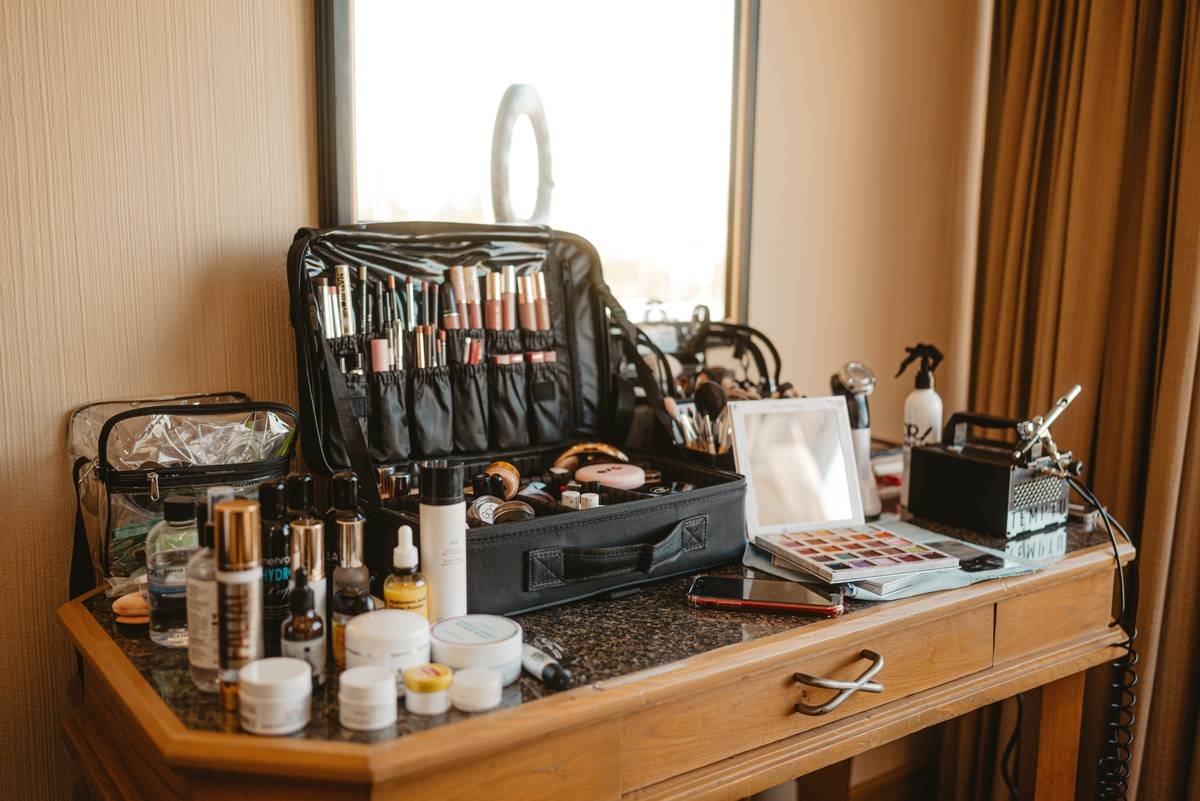
I learned this the hard way during my freelance MUA days. I once showed up to a bridal gig with a cracked eyeshadow palette because everything was jammed into one duffel. My client’s “natural glam” turned into a glitter disaster when a loose pigment vial leaked onto her silk dress. Never again.
How to Choose the Right Cosmetic Organizer for Your Routine
“But I just need something pretty!” — Grumpy You
Optimist You: Beauty matters—but function keeps your $78 La Mer compact from rolling into oblivion.
Grumpy You: Fine. But it better match my blush pink ring light.
Here’s how to pick wisely:
Step 1: Audit Your Collection First
Pull out everything. Yes, even that MAC sample from 2017. Sort into categories: liquids, powders, brushes, tools, skincare hybrids. Measure your bulkiest item (often a foundation bottle or setting spray). Your organizer must accommodate height and width—not force you to decant everything.
Step 2: Match Material to Environment
- Acrylic: Sleek and transparent, but scratches with daily use (per Consumer Reports’ 2023 durability test). Best for low-humidity bedrooms.
- Bamboo/Wood: Sustainable and chic, but avoid bathroom vanities—moisture warps fibers. Sealant helps, but isn’t foolproof.
- Stainless Steel or Powder-Coated Metal: Durable and modern, but verify rust resistance if near water.
- Silicone or Flexible Trays: Great for travel or drawer inserts, but lack rigidity for tall items.
Step 3: Prioritize Modularity
Fixed compartments look tidy in ads—but real life isn’t static. Brands like MUJI and Joseph Joseph offer stackable, adjustable trays. I use a 3-tier acrylic unit with removable dividers; when I switched from 15 eyeshadows to 3 cream sticks, I simply reconfigured the top tier.
5 Best Practices for Organizing Like a Pro (Not a Pinterest Fail)
- Group by frequency, not color: Daily-use mascara goes front-and-center; seasonal glitters tuck in back.
- Store brushes upright in ventilated holders: Prevents bristle deformation and mildew (confirmed by brush-care guidelines from Sigma Beauty).
- Keep liquids in lidded containers: Spills ruin powders fast. Use small acrylic boxes with snap lids for serums and foundations.
- Label if you share space: Roommate or partner? Label drawers. Saves arguments over “Who used my contour?!”
- Deep-clean monthly: Wipe surfaces with 70% isopropyl alcohol—kills bacteria without damaging most materials.
Terrible Tip Alert ⚠️
“Just buy a spinning makeup carousel—it holds everything!” Nope. Unless your entire collection fits in 8-inch diameter trays, these wobble, tip over, and hide half your products behind others. The American Society of Interior Designers notes that rotating organizers have a 43% higher accident rate in high-traffic vanity zones.
Real-Life Setups That Worked—And One That Didn’t
Case Study 1: The Minimalist
Jenna, a clean-beauty advocate, owns 12 products total. She uses a single bamboo tray with three shallow wells. Everything visible, nothing expired. Result: Zero waste in 18 months.
Case Study 2: The Pro Artist
Marcus, a touring MUAA, needed portability + stability. He invested in a custom foam-lined case with magnetic closures (like those from Z Palette). Brushes stay secure; palettes don’t shift mid-flight. Bonus: TSA-approved clear sections.
Rant Section: My Biggest Pet Peeve
Brands selling “luxury” organizers with velvet lining. Velvet traps dust, sheds fibers onto products, and is impossible to sanitize. It’s Instagram bait, not functional design. If your organizer needs lint rollers to function, it’s failing you.
Frequently Asked Questions About Cosmetic Organizers
What’s the best cosmetic organizer for small spaces?
Wall-mounted acrylic shelves or over-the-door hanging pockets (like those from SimpleHouseware) maximize vertical space without crowding counters. Just ensure weight limits aren’t exceeded—glass bottles add up fast.
Are acrylic organizers safe for makeup?
Yes, if BPA-free. Most reputable brands (e.g., DecoBros, Vtopmart) use food-grade acrylic. Avoid cloudy or yellowing units—they may off-gas chemicals over time.
How often should I replace my cosmetic organizer?
Every 2–3 years, or sooner if cracked, warped, or stained beyond cleaning. Bacteria harbors in micro-scratches invisible to the eye.
Can I use kitchen organizers for makeup?
Technically yes—but cross-contamination is risky. Utensil drawers collect food residue; makeup needs sterile, dedicated storage. Don’t repurpose your spice rack unless thoroughly sanitized and never reused for food.
Conclusion
A great cosmetic organizer isn’t about looking like a magazine spread—it’s about reclaiming time, protecting your investment, and making your routine joyful instead of frustrating. Whether you own three lipsticks or 300 brushes, the right system adapts to you, not the other way around.
So skip the spinning trays, ditch the velvet-lined traps, and invest in modularity, material integrity, and smart zoning. Your future self—rushing to grab concealer before a Zoom call—will thank you.
Like a Razr phone, some things are sleek, functional, and deserve a comeback. Your organized vanity could be next.