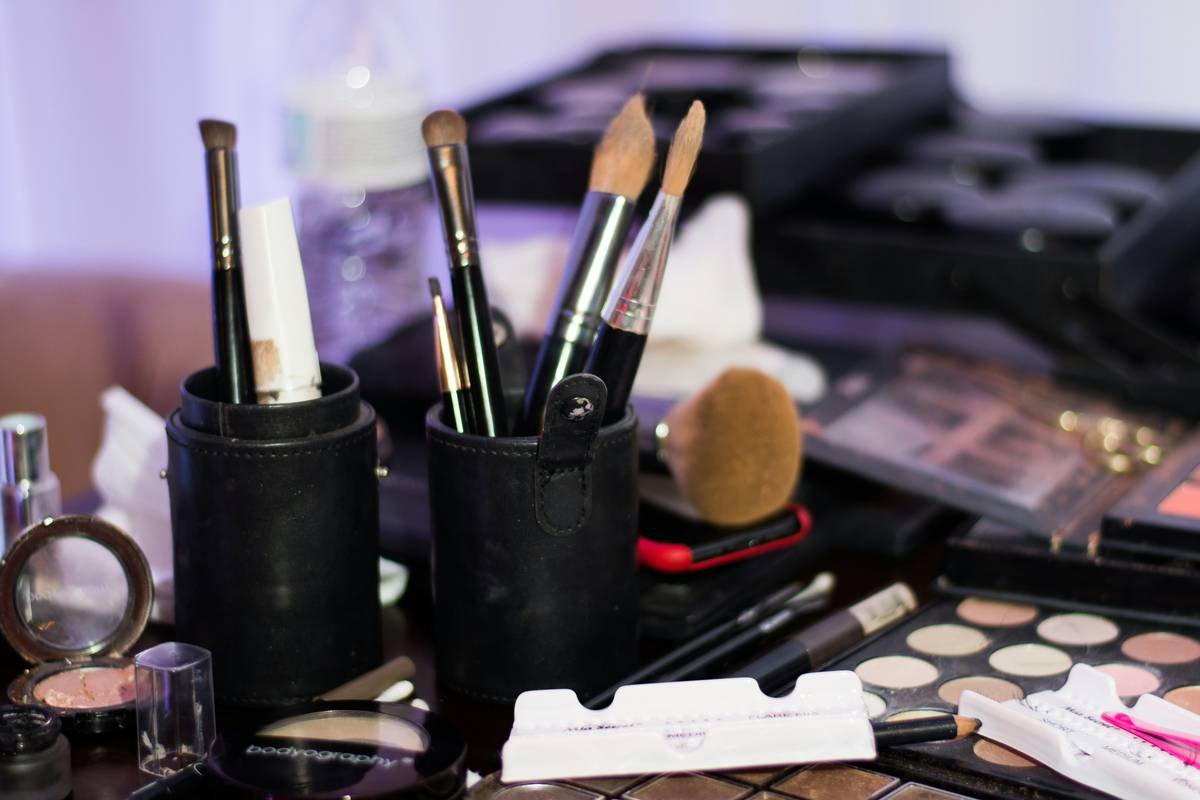
Your vanity looks like a war zone. Lipsticks rolled into hair ties. Eyeshadow pans buried under loose powders. You waste five minutes every morning hunting for your favorite concealer—again. A true makeup organization system isn’t about buying more bins. It’s about designing workflow, not just storage.
Why Your Current Makeup Storage Is Failing You
Drawer dividers? Cute—but useless if everything’s still jumbled in the dark. Stackable acrylic towers? They turn into glitter-shedding tombstones. The problem isn’t clutter. It’s access. If you can’t see it and grab it in one motion, it’s out of rotation—and that $42 foundation might as well be gone.
And most “systems” ignore product shape variance. A blush compact doesn’t stack like a serum bottle. A makeup stand that forces uniformity kills usability.
Your Step-by-Step Makeup Organization System
This isn’t about Marie Kondo-ing your beauty stash. It’s tactical zoning—grouping by frequency + function + form factor.
Zone 1: Daily Essentials (Within Arm’s Reach)
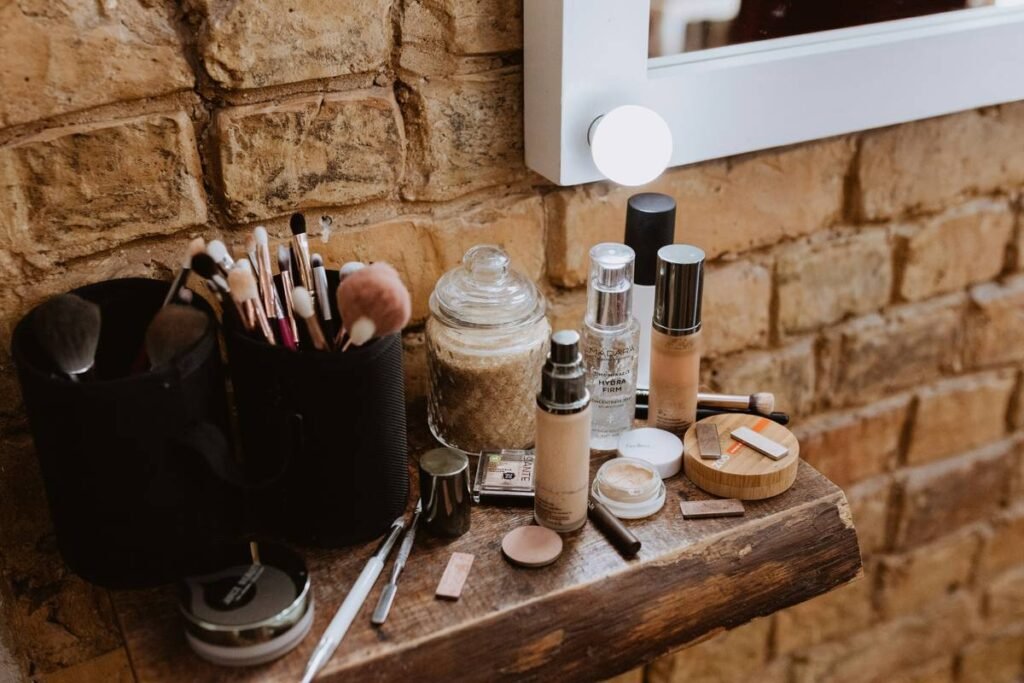
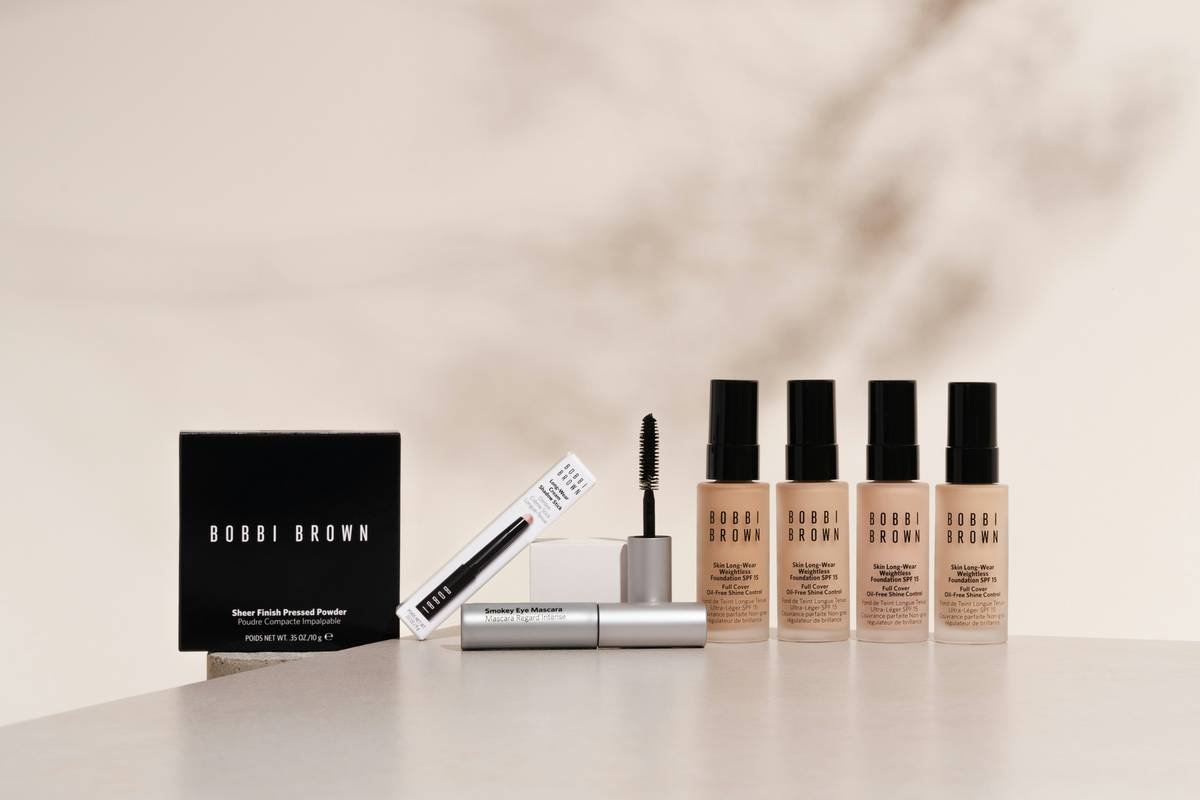
Only what you use 5+ days a week lives here: foundation, concealer, daily mascara, go-to lipstick. Display vertically—not stacked flat—so labels face forward.
Zone 2: Weekly Rotations (Visible but Secondary)
Color cosmetics you use 2–4 times weekly: bold lipsticks, eyeshadow palettes, contour kits. Store in shallow trays with lift-out compartments. No digging.
Zone 3: Archive & Special Occasion (Out of Sight, Not Forgotten)
Holiday glitters, limited editions, travel minis. Seal in clear, labeled boxes. Review quarterly—donate or discard anything untouched for 6 months.
| Storage Method | Best For | Cost Range | Drawback |
|---|---|---|---|
| Modular Acrylic Stands | Daily essentials, vertical visibility | $25–$75 | Fragile; shows smudges easily |
| Magnetic Palette Walls | Depotted shadows, custom kits | $40–$120 | Requires depotting skill; not beginner-friendly |
| Turntable Lazy Susans | Deep drawers, bulky items | $15–$50 | Products at back get lost; poor for small items |
| Stackable Drawer Organizers | Travel sets, minis, brushes | $20–$60 | Requires full drawer clearance to access lower layers |
The Industry Secret: Pros Don’t Store—They Stage
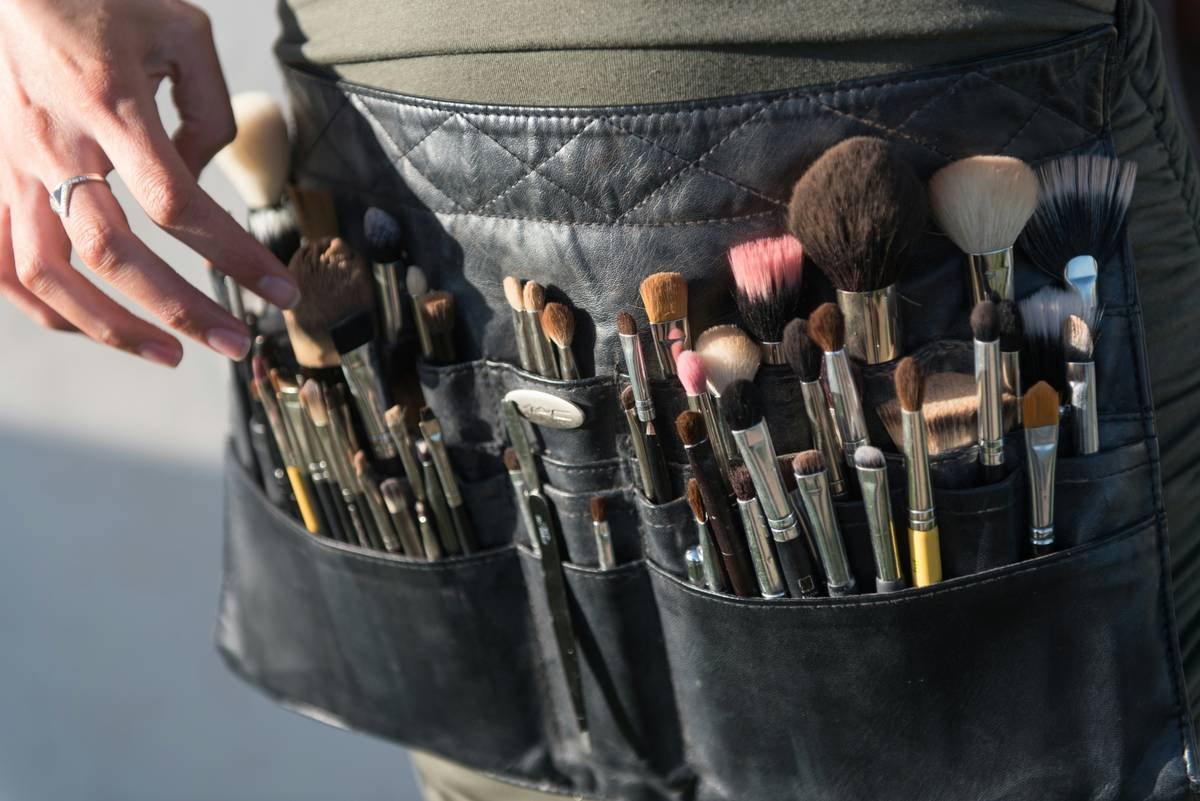
Backstage at Fashion Week, makeup artists don’t “organize.” They stage. Every product is placed based on sequence of use—primer left, foundation center, setting spray far right. It’s a production line, not a closet.
Here’s the reality: your bathroom counter should mimic that flow. Arrange tools in the exact order you apply them. And yes—this means your setting spray shouldn’t be hiding behind three serums. The math is simple: fewer hand movements = faster routine, less spillage, longer product life.
Think about it. Would a chef keep their salt shaker in the pantry during service? Neither should you.
FAQ: Makeup Organization System Questions, Answered Fast
What’s the best material for a makeup stand?
Acrylic wins for visibility and wipe-clean ease. Avoid wood—it absorbs spills and stains permanently. Metal stands look sleek but show water spots instantly.
How often should I reorganize my makeup?
Every 90 days. Seasons shift, routines evolve. If a product hasn’t been touched in three months, it’s taking up prime real estate it doesn’t deserve.
Can a makeup organization system save money?
Absolutely. When everything’s visible, you stop repurchasing duplicates—and you actually use what you own before it expires. That’s hundreds saved yearly.