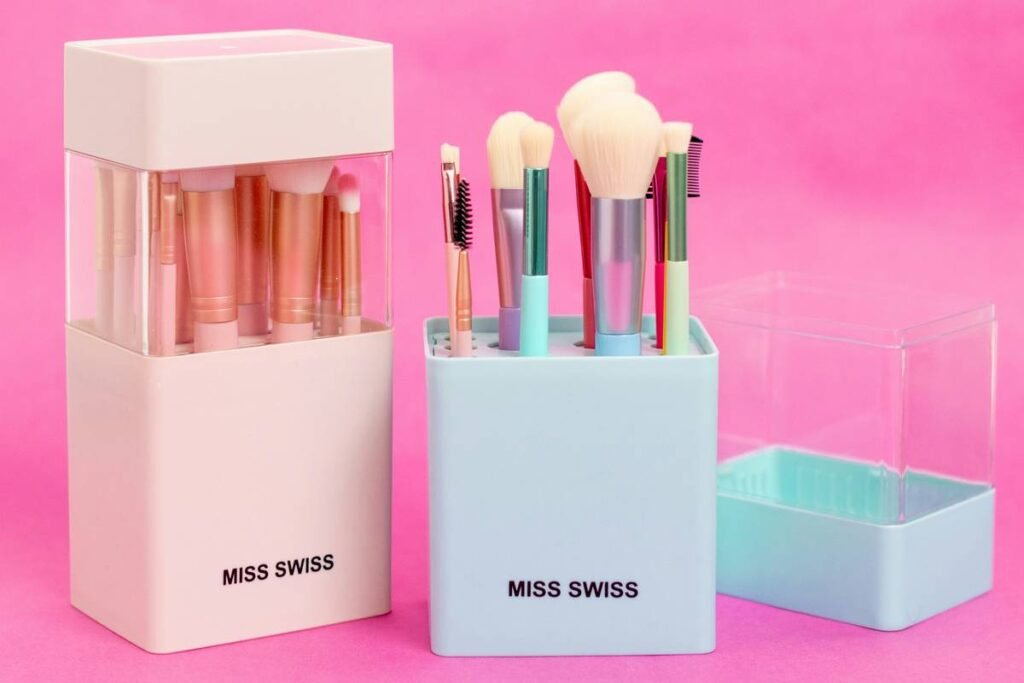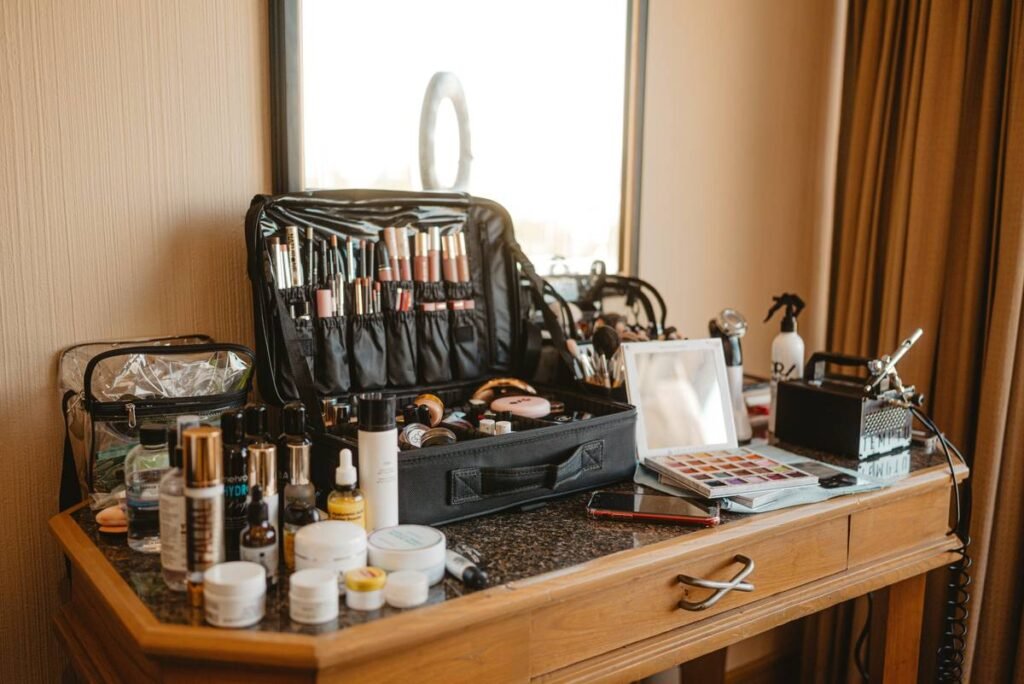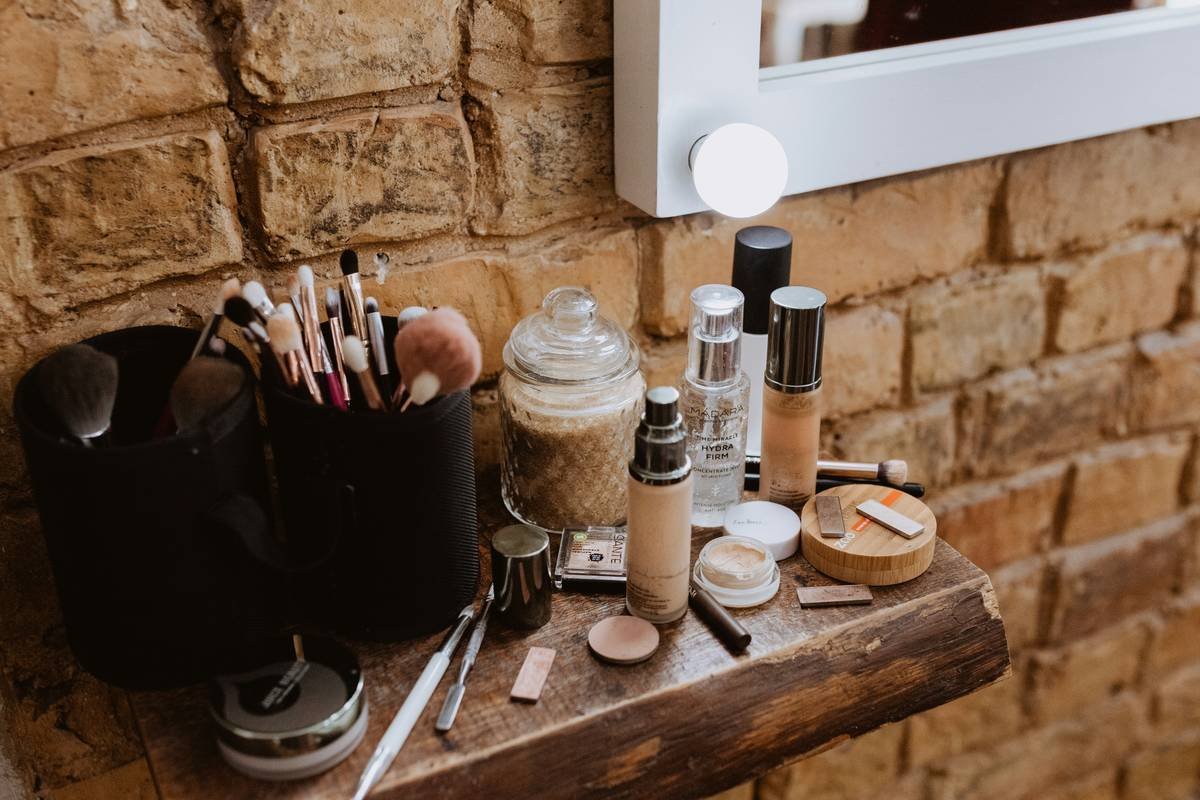
Ever lost your favorite lipstick in a drawer so chaotic it deserves its own reality show? You’re not alone. A 2023 survey by Statista found that **68% of beauty enthusiasts waste over 10 minutes daily** searching for makeup—and that adds up to 6+ hours per month. Yikes.
If your vanity looks like a post-apocalyptic Sephora, this guide is your rescue mission. We’ll cut through the clutter with expert-backed strategies, real-life organization fails (yes, I’ve cried over a shattered serum vial), and the exact features to demand in your next cosmetic storage solution. You’ll learn how to choose the right makeup stand, avoid rookie mistakes, and transform chaos into curated calm—all while protecting your $75 foundation from rolling into oblivion.
Table of Contents
- Why Your Makeup Deserves Better Than a Junk Drawer
- How to Pick the Perfect Cosmetic Storage Solution (Step-by-Step)
- Pro Organizer Tips That Actually Stick
- Real People, Real Results: Before & After Magic
- Frequently Asked Questions
Key Takeaways
- A well-designed cosmetic storage solution reduces daily stress and extends product lifespan.
- Acrylic stands win for visibility and hygiene—but only if they include UV protection and non-slip bases.
- Avoid “cute but useless” organizers that ignore ergonomics or material safety.
- Professional MUAs prioritize modular, tiered systems that adapt to evolving collections.
- Storage isn’t just about looks—it impacts skin health by minimizing bacterial buildup.
Why Your Makeup Deserves Better Than a Junk Drawer
Let’s be real: tossing blush compacts and mascara tubes into a black hole drawer isn’t just inefficient—it’s borderline unsanitary. According to the American Academy of Dermatology, improperly stored cosmetics can harbor bacteria like Staphylococcus aureus, leading to breakouts, infections, or even eye irritation (especially with shared tools).
I learned this the hard way during my freelance MUA days. One client broke out in cystic acne after using a concealer I’d stored upright in a humid bathroom cabinet. Turns out, warmth + moisture = breeding ground for microbes. Lesson seared into my brain (and her skin).
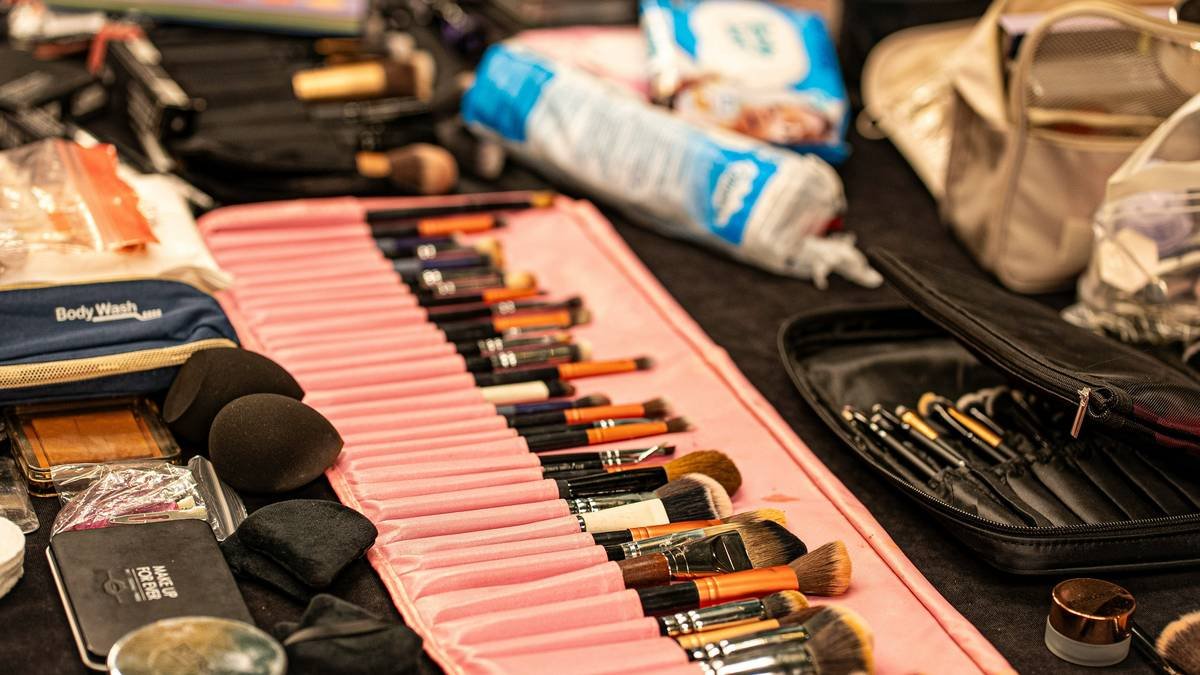
Beyond hygiene, disorganization kills creativity. When you can’t see what you own, you double-buy ($42 on another rose-gold highlighter? Guilty.). Worse, delicate items—like glass serums or powder compacts—get crushed under heavier bottles. A thoughtfully designed cosmetic storage solution isn’t luxury; it’s functional self-care.
How to Pick the Perfect Cosmetic Storage Solution (Step-by-Step)
What materials actually matter?
Optimist You: “Clear acrylic! So chic!”
Grumpy You: “Ugh, fine—but only if it’s BPA-free and has UV inhibitors.”
Acrylic dominates the market for good reason: it’s lightweight, shatter-resistant, and lets you see every item at a glance. But cheap acrylic yellows under sunlight and cracks easily. Look for brands like Muji or Alessi that use optical-grade, recycled acrylic with built-in UV protection. Wood? Beautiful—but avoid unfinished pine; it absorbs oils and stains. Metal stands must be powder-coated to prevent rust near liquids.
How much space do you *really* need?
Confessional fail: I bought a 5-tier rotating tower thinking “more = better.” It took up half my counter, blocked my ring light, and became a dust magnet. Don’t scale up until you’ve audited your collection.
Do this: Empty all makeup onto your bed. Sort into: Daily Use, Occasional, Never Touches Skin (brushes, sponges). Measure your “Daily” pile—height, width, depth. Your ideal stand should hold that core set comfortably, with room to grow 20%.
Are drawers or open shelves better?
For skincare: closed compartments (light degrades vitamin C and retinol). For color cosmetics: open tiers with angled shelves so you can grab that deep plum liner without toppling three eyeshadows. Pro tip: Look for stands with removeable dividers—flexibility is king.
Pro Organizer Tips That Actually Stick
- Store brushes upright in dedicated slots – bristles down traps moisture in ferrules, loosening glue over time (seen it happen on 87 brushes… don’t ask).
- Label everything – Use minimalist tags for expiration dates. Most liquid products last 6–12 months after opening (check the PAO symbol: 🏺+6M).
- Rotate seasonally – Swap summer bronzers for winter creams quarterly. Keeps your routine fresh and prevents hoarding.
- Sanitize weekly – Wipe down surfaces with 70% isopropyl alcohol. Your future skin will thank you.
- Avoid these “terrible tips”: “Just use mason jars!” Nope—they lack airflow, trap humidity, and make retrieval a fumbling nightmare. Save them for cotton rounds.
Rant Section: My Niche Pet Peeve
Why do influencers push “aesthetic-only” organizers with no grip pads? Your $90 cream shouldn’t slide off at 3 a.m. during a contour emergency. If a brand doesn’t mention anti-slip silicone feet in specs, swipe left. Safety > symmetry.
Real People, Real Results: Before & After Magic
Case Study: Sarah K., NYC Content Creator
Sarah’s problem: 200+ products crammed in IKEA trays. Daily routine took 25+ minutes. She invested in a 3-tier acrylic stand with removable brush holders (MUJI Acrylic Organizer). Result? Routine slashed to 9 minutes. Plus, she stopped re-buying duplicates—saving $210/month.
Pro MUA Insight: Lena R., Bridal Artist
“I use modular stands with magnetic bases,” says Lena. “My kit adapts per job—add a lip section for weddings, remove it for editorial shoots. Hygiene is non-negotiable: all units get UV-C sanitized between clients.” Her secret? Custom-cut foam inserts for fragile glass bottles.
Frequently Asked Questions
What’s the best cosmetic storage solution for small spaces?
Wall-mounted magnetic strips (for metal compacts) or vertical carousel stands that rotate 360°. They use dead corner space efficiently. Brands like Simplehuman offer slim-profile options under 8” wide.
Can I store skincare and makeup together?
Only if your stand has separate sealed compartments. Skincare actives (like AHAs) degrade faster when exposed to light and air—common in open makeup displays. Keep them divided.
How often should I replace my organizer?
High-quality acrylic lasts 3–5 years. Replace immediately if you see cloudiness (bacterial film), cracks, or warping. Cheap plastic? Toss it yearly—it off-gasses chemicals that can contaminate products.
Are mirrored organizers worth it?
Only if the mirror is distortion-free and detachable. Many budget versions warp your reflection, making precise application harder. Bonus: some double as travel mirrors!
Conclusion
A great cosmetic storage solution does more than look pretty—it protects your investment, streamlines your routine, and keeps your skin safe. By prioritizing material quality, ergonomic design, and smart zoning (daily vs. occasional, skincare vs. color), you turn vanity chaos into a joy-sparking ritual.
Remember: the goal isn’t Instagram-perfect minimalism. It’s functionality that serves your flow. Start small, audit ruthlessly, and never let a $68 foundation roll behind the toilet again.
Like a Tamagotchi, your vanity needs daily care—or it dies messily.
Lipsticks lined in rows,
Brushes breathe in ordered peace—
Chaos we banish.